|
LEADING VETERANS ORGANIZATION HOSTS 10TH ANNUAL 9/11 HEROES RUN MEMORIAL 5K RACE SERIES ACROSS THE U.S. |
|
|
The Travis Manion Foundation commemorates 10 years of veteran advocacy and commitment to service
|
|
| WASHINGTON, D.C. - The Travis Manion Foundation (TMF), one the nation’s leading veterans advocacy organizations, is hosting its flagship event - the 10th annual 9/11 Heroes Memorial run in more than 50 communities across the country and around the world this September, including locally in in Annapolis, MD, and Alexandria, VA. The annual race series unites communities across the country to remember the nearly 3,000 lives lost on 9/11, as well as to honor our veterans, military, and first responders who serve our country. Proceeds from the 9/11 Heroes Run will benefit the Travis Manion Foundation, which empowers veterans and families of fallen heroes to develop character in future generations.
The 9/11 Heroes Run 5K series was inspired by Marine 1st Lt. Travis Manion, who was killed by a sniper in Iraq in April 2007 as he selflessly protected his battalion. Before his final deployment, Travis visited Rescue One in NYC—famous for losing almost all of their men on 9/11—and returned home with deeper passion about why he was fighting in Iraq. At its heart, the 9/11 Heroes Run is a tribute to a personal commitment to never forget the heroes of that day. Now in its tenth year, the 9/11 Heroes Run national race series will be held in more than 50 locations across the country and around the world. As part of the marketing campaign for the race series, TMF has released a video to inspire runners and walkers of all ages to participate, which can be seen here. Last year, more than 50,000 people participated in race locations around the world or as virtual runners, to support military, veterans, first responders and their families through TMF. National sponsors of the events include Comcast NBC Universal and CBS Radio. Last year’s Annapolis run drew a crowd of over 2,000 participants including Maryland Governor Larry Hogan and midshipmen from the U.S. Naval Academy. Ryan Manion, TMF President and Travis Manion’s sister, provided this statement: “As I reflect on the 10 year anniversary of the 9/11 Heroes Run, I’m in awe at the number of communities across the country and around the world that have united to honor all those touched by the events of September 11th, 2001. We challenge all Americans to join us this September, to ensure our next generation never forgets the sacrifices of our veterans, active duty military, first responders, and civilians who were affected by the attacks on 9/11 and in the wars since.” 5 Key Races
See details for over 20 other races in cities across the U.S. linked here. TMF empowers veterans and families of fallen heroes to develop character in future generations. In 2007, 1stLt Travis Manion (USMC) was killed in Iraq while saving his wounded teammates. Today, Travis' legacy lives on in the words he spoke before leaving for his final deployment, "If Not Me, Then Who..." Guided by this mantra, veterans and survivors continue their service, develop strong relationships with their communities, and thrive in their post-military lives. As a result, communities prosper and the character of our nation's heroes live on in the next generation. |
Tag: Training
How to Maximize Your Gains with Pre and Post Workout Nutrition
People who work out often face a dilemma in choosing what food to eat. Some opt to eat light snacks before working out and eat a heavy meal afterward. However, proper timing is as important as what food you eat. During workouts, the body needs fuel to function properly. The muscles also need to regenerate after a stressful activity to prevent weakness and injury.
Proper nutrition is crucial to prepare your body for a physical exercise. Your body also needs to recover after a physical training. What you eat and when to eat should be part of your fitness regimen so you can get the best workout gains.
Consuming a proper diet before and after a workout has a lot of benefits. First, you get to maximize your time in the gym because your body is fuelled properly. Second, your muscles recover faster and you won't feel fatigued or weak right after. Last, you are less prone to injuries because your muscles repair quickly.
Read on to learn some tips on how you can maximize your gains with proper pre- and post-workout nutrition:
- Nutrition Based on Type of Training
What is your usual training regimen? Different activities require different amounts of nutrition. This helps athletes and ordinary people fuel up before a workout and recover afterward.
- Cardio Training
Cardio training requires endurance. When you eat is a bigger factor than what you eat. It is best to consume a full meal at least 60 to 90 minutes before your workout. This allows the food to digest properly and give you enough energy without feeling sluggish. Eat a diet that is low in fat and sugar, moderate in protein, and high in complex carbohydrates.
Protein should be consumed within the 20-minute metabolic period. You should also consume electrolytes to rehydrate your body and replenish glycogen stores. Protein helps your muscles repair themselves after a strenuous activity. After an hour, consume a meal with small servings but prioritize simple carbs and proteins.
- Strength Training
Strength training requires strength and endurance. Eating the proper food before a workout allows you to perform to the fullest.
1 to 2 hours before your session, eat a balanced meal of complex carbs and protein. Carbs help prevent your muscles from getting weak. Proteins help your muscles repair themselves. It would also be best to drink water or sports drinks every 20 minutes into your session. Water rehydrates your body and sports drinks contain carbs that boost your energy.
After your training session, consume a full meal that is high in proteins. The amino acids in proteins help repair worn-out muscles.
- Race and Marathon Training
If you are going to run the next day and need to prep, make sure that your body gets enough nutrition. Eating properly before your training helps you perform better.
The night before your training, consume a meal that is low in fiber and fat but high in carbs. In the morning, make sure your breakfast is high in carbs such as whole-grain cereals, whole wheat toast, and bananas.
During training, make sure you drink 3 to 6 ounces of fluid every 20 minutes into your session. Don't forget to weigh yourself before and after a workout. Why? After your exercise, you should replenish your fluid intake. You should drink 16 ounces of fluid for every pound of sweat that you lost. Consume 4 ounces of tart cherry juice after your workout. Cherry juice works best in muscle recovery and helps reduce muscle damage and inflammation so you don't get muscle cramps.
- What to Eat Before and After a Workout
What about for regular fitness buffs? What food can you eat before and after a physical exercise? Well, you also need to ensure that you get proper nutrition. Don't worry, you won't get fat. Make sure to follow these tips for a more effective workout gain.
- Pre-Workout Nutrition
Eat a full meal 1.5 to 2 hours before working out. This allows you to properly digest the food and still have enough energy. Consume a balanced meal of protein and complex carbs. Protein is great for muscle regeneration.
Complex carbs digest more slowly but without the sluggish feeling. Also, complex carbs help the muscles retain glycogen stores. When your body retains more glycogen, the more weights you can lift and the more energy you have.
It is also best to take supplements before your training session. B-vitamins provides more energy to fuel your workout. Ginko biloba and tyrosine motivates you to go through your sessions as they improve concentration and mental focus.
Some take creatine to quickly build muscle and increase water retention in the muscles. However, creatine can cause overexertion and damage the muscles. It would be best to find supplements without creatine and work on having proper nutrition.
Here's a list of foods that are recommended for a pre-workout meal:
- whole grain oats
- brown grains
- brown rice
- full-fat yogurt or Greek yogurt
- granola bars with nuts
- berries
- almond milk
- high-protein oatmeal
- bananas
- apples
- peanut butter
- hard-boiled egg
- avocados
- lean chicken
- sweet potatoes
- green beans
- Post-Workout Nutrition
After working out, your body craves for carbs. You will also feel thirsty because of the water that you lost through sweating. Your muscles will also feel tired and aching. Proper nutrition after a strenuous activity helps you recover from these effects.
Consume proteins and electrolytes within the 20-minute metabolic period after a workout. At this time, your body absorbs more nutrients effectively. After an hour or two, eat a full meal composed of simple carbs and high-protein. Simple carbs help replenish the glycogen stores essential to muscle recovery.
Carbs also reintroduce glucose into your body. After a workout, your blood sugar drops because your muscles have already consumed the glycogen stores. This explains why you feel irritable and weak if you don't eat. Proteins help keep you full, restores the lost nutrients, and suppresses your appetite so your body doesn't crash.
What about for people who workout at night? Can you still consume a full meal before retiring to bed? You should. Your body still needs to recover and repair itself, so it needs proper nutrition. Otherwise, starving yourself leads to weakness, sleep problems, and you may be prone to injuries such as muscle cramps.
Here are some nutritious foods you can eat after a workout:
- hummus and pita bread
- tuna or salmon
- vegetables such as spinach, broccoli, butternut squash and carrots
- eggs
- nuts
- sweet potatoes
- fruits such as bananas, apples, bananas, berries, avocado
- lean chicken
- pasta
- olive oil
- white bread
- dark chocolate
Conclusion
Eating a proper diet is essential to healthy living. For people who are always on the go or have an active lifestyle, the more that you need to increase your intake of proteins and healthy carbs. People who are into sports, fitness training, strength training or aerobics should not rob themselves of food when they feel hungry. Proper nutrition and proper timing has more benefits and helps you achieve the maximum gains from your workout.
If you haven't started, why don't you go ahead and plan your meals for the week?
Author Bio
 |
Annie Jones is the person behind BoostBodyFit. She started off a bit on the chubby side but went through a transformation. She looks and feels great. Say Hi to Annie on Twitter, Facebook |
How to Combat Ethnical Health Disadvantages When It Comes to Genetics

Medical professionals have long been aware of the fact that people from different ethnic backgrounds carry different risk levels for some medical conditions. As such, it's important that steps be taken to compensate for the medical disadvantages that come with a patient's genetic makeup. Here are just some of the ways that you can proactively compensate for the risks that may affect you because of your ethnic background.
Know What You're Prone To
The first step in combating whatever ethnic medical disadvantages you may have is to know just what they are. Research the conditions that are associated with your ethnic background so that you have a complete picture of your own risk profile. You should also ask your doctor what you might be susceptible to as a result of your genetic makeup.
Take Optimal Care of Your Heart
Many conditions that are affected by ethnic background involve the heart and cardiovascular system. African Americans, for example, are extremely prone to high blood pressure. This condition, if left unchecked, can contribute to heart attacks and strokes. If you eat properly, exercise and have your heart checked regularly by a medical professional, you can greatly reduce genetically inherited risks and improve your chances of a long and healthy life.
Visit Your Dentist Regularly
As with heart disease, genetic traits play a key role in dental health throughout a person's lifetime. People from India, for example, have been shown to be more susceptible to periodontal disease than other populations. Visiting a dentist, like Jay A Hollander DDS, often can help to combat and prevent such serious dental health problems. Since tooth alignment and discoloration also have genetic components, a visit to a specialized cosmetic dentist can also help you to keep your teeth in optimal condition in spite of any genetic factors working against you.
Balance Your Overall Risk
Unfortunately, there's nothing you can do about the fact that your genetic makeup predisposes you toward some illnesses. What you can do, however, is eliminate lifestyle risks in order to offset that fact. For example, Asian Americans, who are extremely prone to osteoporosis, can change their diets to include more calcium. By adjusting your lifestyle to better fit your individual health needs, you can combat the increased risks posed by your ethnic background.
The key to combating medical disadvantages stemming from your genetics is to be proactive. The more you can do to mitigate your risks, the better off you will be. Always be sure to seek the advice of your doctor, as he or she will be able to give you personalized insights into the plan that is right for you.
Guest Post: Competitive Strategy: How To Train for Your First Marathon

Competitive Strategy: How to Train for Your First Marathon
Some people decide to run their first marathon to cross an item off of their bucket list, and others simply want to do something fun and active that will improve their level of health. Running a full 26.2 miles is a significant accomplishment, and it requires ample training and planning if you want to achieve this goal without injury. If you have decided to start training for your first marathon, follow these tips for the best results.
Invest in the Right Equipment
When training for a marathon, you will run a significant number of miles each week. More than that, you may spend hours outdoors regardless of the weather conditions. You need to invest in quality footwear to prevent injuries to your feet and joints. Remember that running can place a great deal of pressure on your joints, and footwear can give you the extra conditioning that is needed to avoid injuries. You also need to buy athletic apparel that is suitable for the weather conditions in your area. Training may extend for months and span across several seasons, so plan to update your training wardrobe periodically as the seasons change.
Follow a Training Schedule
Your body may need to gradually adjust to an increasingly rigorous workout. You may start out running a mile or two every other day, but you may increase this until you are regularly running 15 to 20 miles several times per week. Your workout may need to include interval training, hills training and more. You can find a great training schedule on numerous websites to help you achieve your goal more easily. It may be helpful to register for a race that is at least four or five months away so that you have ample time to follow your training schedule without unnecessarily stressing your point to the point of developing injuries.
Find a Buddy
Running a marathon is as much about physical conditioning as it is about mental strength and fortitude. A running partner can help you to stay on track as you proceed through your training schedule and can motivate you to get out there and hit the pavement on days when you do not feel up to it. You may also join a running club if you cannot find a training partner to run with regularly. Remember that your partner’s commitment to training can affect your mental fortitude in this area. Ensure that you make a wise decision when selecting a running partner so that you receive the full level of support you need.
Take Care of Your Body
Your body will endure incredible stress when you are training for this event. You need to take steps to stay healthy and to avoid injuries. Plan several rest days each week without physical activity. Get an adequate amount of sleep at night, and follow a healthy diet plan that gives you an adequate amount of carbs, calories and nutrients. You also need to stay hydrated by drinking water or a recovery drink, like ASEA, after a workout if you want to avoid injuries. You can find great meal and hydration plans online that are designed to give marathon runner the full amount of nutrients they need to stay healthy and to fuel their bodies for this endurance activity.
The thought of running a marathon can initially sound like a far-fetched dream, and it is definitely not something that you can accomplish overnight. However, when you set your mind to it and when you follow a strategic plan, you will be able to train your body as well as your mind to endure this incredible feat. Investing in the right equipment and selecting a supportive partner are also critical if you want to achieve your running goals. As far-fetched as your marathon goal may sound right now, you may be able to accomplish your goal and cross this item off of your bucket list within a few months when you have the right plan in mind.
COOL FACTS ON CRYOTHERAPY
THE ENERGY BOOSTING TREATMENT CELEBRITIES LOVE

Although chryotherapy has gotten more and more popular thanks to celebrities such as Jessica Alba, Jennifer Anniston, Mandy Moore and even master motivator Tony Robbins; there are many out there still unaware of what it is, how it works and its benefits. Dr. Lenoard Hochstein, Board Certified Plastic Surgeon and owner of Hochstein Med Spa in Miami who offers the treatment to models, athletes and high powered entrepreneurs offers some facts to help you determine if cryotherapy is for you.
What is Cryotherapy?
Whole Body Cryotherapy is the exposure of the entire body to extreme cold lowering the client's skin surface temperature to approximately 30 degrees Fahrenheit in 30 seconds. This remains nearly constant throughout the entire session which at Hochstein MedSpa, is 90 seconds. Skin receptors sense the cold and send signals to the brain to promote regulatory functions.
“Cryotherapy is a great treatment because it stimulates the body's natural response to decrease inflammation, pain, spasms and promote healing. Endorphins are released into the bloodstream, which relax the body allowing toxins will be flushed out. It’s fast and effective,” explains Dr. Hochstein.
Chryotherapy’s Beauty and Weight Loss Benefits
The immediate release of endorphins can help with insomnia which means better beauty sleep. The accelerated production of collagen improves skin elasticity and texture, reversing skin aging and the appearance of cellulite. “Anyone wanting to maintain a toned body will appreciate that studies have shown a 500-800 calorie after burn associated with the body’s process to warm itself up. Whole Body Chryotherapy boosts the body’s metabolic rate, accelerating weight loss. Pro athletes rely on chryotherapy as a powerful treatment to decrease recovery time and increase athletic performance,” explains Dr. Hochstein who is a fan of the treatment and has done it himself.
Other benefits include…
* Alleviation of headaches/migraines and physical/mental stress
* Improvement of skin complexion and certain skin disorders
* Improved rheumatoid and osteoarthritis
* Can help reduce itching and inflammation in serious skin conditions (psoriasis/eczema)
* Enhances sports performance and increases muscular resistance to fatigue
* Increases libido/sexual stamina
* Stronger hair and nails
* Helps to provide relief from nerve pain
* Stronger, fuller hair
* Psychological competitive edge
Safety…
It’s very important you have the procedure done with a professional staff able to oversee the treatment plus adequately screen the client. The best candidate for cryotherapy is a healthy person, and that health history will be carefully reviewed prior to treatments.
Most people are surprised to feel how tolerable a cryotherapy session is given such extreme temperatures. The cryosauna requires a standing positon where then nitrogen creates a “dry” cold, which is much more comfortable than an ice bath. A trained technician should be on hand to talk you through it and make the three-minutes pass quickly and easily,” says Dr. Hochstein.
How often should I do cryotherapy?
“We recommend that our patients do 8-10 sessions within the first 2 weeks and then ideally move to 3 times per week depending on what you’re looking to treat. The evaluation process will help determine how many treatments would be optimal for you,” explains Dr. Hochstein. Many benefits such as a rush of endorphins and better sleep can be experienced as early as the first session, however maximum results are obtained with repeated treatments.
Who is a good candidate for cryotherapy?
People from a wide range of lifestyles and ages are a good candidate for this treatment. While it is certainly helpful to athletes and those with chronic pain, it is also highly recommended for individuals who simply want to improve their overall health and appearance. “The results as a treatment for cellulite is quite good and many people with pain find that they come for the beauty benefits and have their aches and pains treated too,” adds Dr. Hochstein.
Dr. Lenny Hochstein is a board certified plastic surgeon in Miami, Florida. World renowned for his meticulous attention to detail, symmetry and overall excellence, including published scientific papers, awards, early entry directly into medical school where he graduated valedictorian; Dr. Hochstein has two decades of experience, over 20,000 surgeries with breast augmentation as his main specialty. His dual accreditation of American Board of Plastic Surgery and American Society of Plastic Surgeons speaks to his high standards and reputation of providing exceptional care to all his patients. In 2017, Dr. Lenny Hochstein added Hochstein MedSpa to his Miami practice to offer lesser invasive treatments and anti-aging solutions adhering to the same values of high standards and quality. Anyone selected to be on his team must be exceptional, credentialed and committed to offering excellent care.
Getting Back to Exercise? Don't Be One of the 60% Who Hurts Themselves in the First Month

For good reason, health experts from across the country stress the importance of exercising regularly. Working out lowers your risk of disease and boosts your energy levels. If you have been inactive for a while, there are a few steps you must take before hitting the gym. However, 60 percent of those who start exercising again will get hurt within the first month. Here some key tips to avoid getting injured during your workout.
Obtain a Physical Examination
Never begin a fitness program without first consulting your doctor. Although vitals such as your blood pressure and heart rate can be checked at home, nothing beats being thoroughly examined by a trained physician. They will look for any underlying ailments and injuries. You can then exercise with an extra peace of mind.
Get the Proper Footwear
If you plan to start an exercise program, make sure that you buy the proper footwear. According to the Advanced Foot & Ankle Centers of Illinois, wearing the wrong type of shoes can contribute to a condition called plantar fasciitis. When dealing with this painful injury, expect to experience a great deal of discomfort in the heel and bottom of the foot. Your shoes should be designed for the specific type of activity. For example, it is definitely not a good idea to play basketball in shoes that were made for jogging.
Warm Up Your Body Before Stretching
Stretching is definitely a great way to promote better flexibility. Nevertheless, it is not a good idea to stretch without performing a proper warm-up. Cold ligaments and tendons are like stiff rubber bands that may snap at any moment. Before attempting to stretch, you must first break a sweat. Doing a few jumping jacks and wall push-ups will quickly elevate your body temperature. Try to make your warm-up routine last for at least five minutes.
Start Slow
If you have been lying on the couch for a few months, don’t try to train like an Olympic athlete. You need to slowly ease back into working out. Give your body enough time to adjust to the increased activity. The best approach is to gradually raise the intensity of your workout.
Allow Your Body to Rest
While it is advisable to exercise often, you still need to get the proper rest. Recent studies have revealed the many dangers of over-exercising. An enormous amount of lactic acid can build up within your muscles, which can lead to swelling and fatigue. After enjoying a long workout session, take a day off.
Now that you know how to start your exercise regimen, now it’s time to take action. You don’t want an injury to ruin your progress.
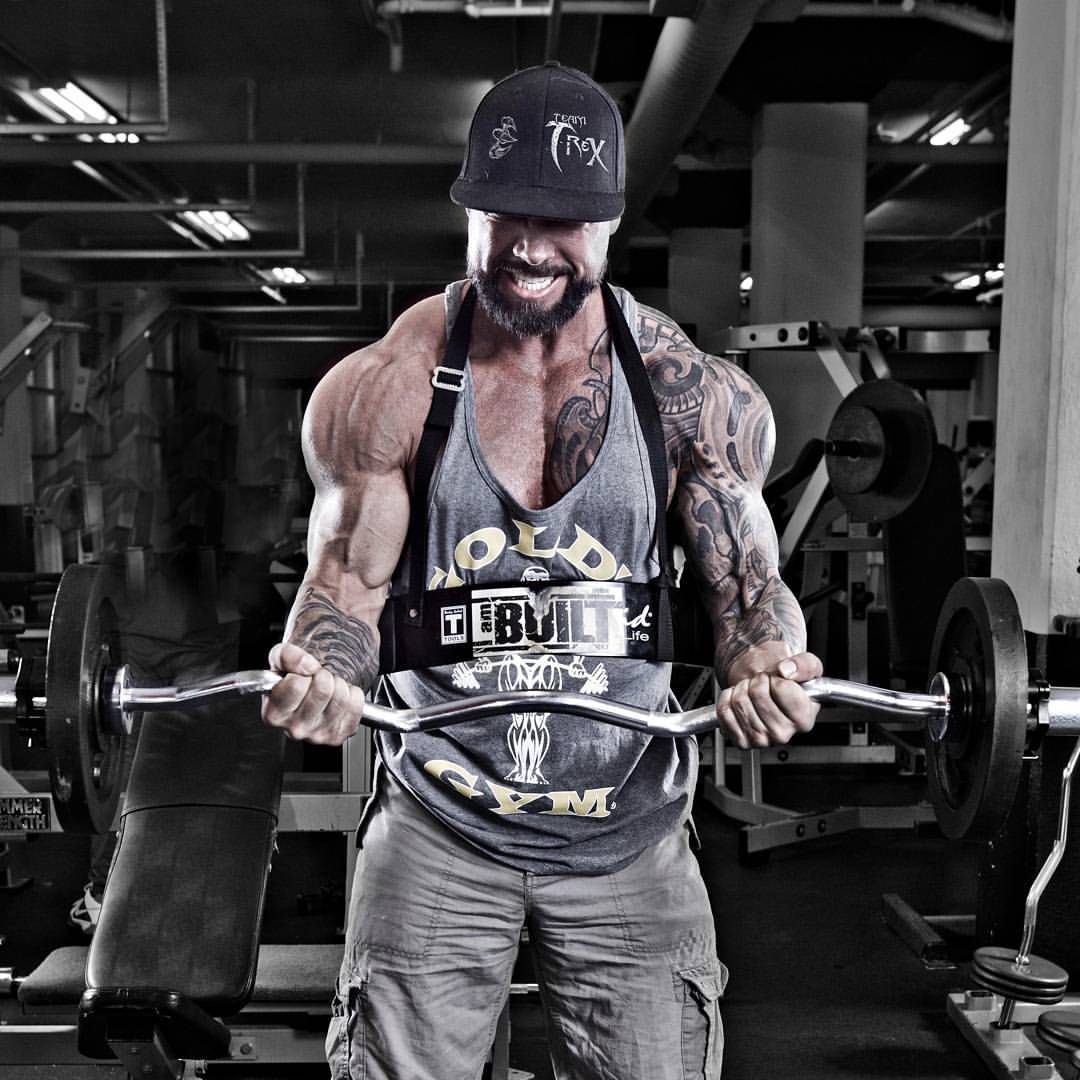
Train Hungry. I’ve always preferred to train weights about 2-3 hours after a meal and there are few good physiological reasons for this.
1) With no food in your stomach you have more readily available blood to flood your muscles with for the pump, because less blood is being used for digestive-related distribution. The pump can be one key driver of muscle hypertrophy when applied correctly.
2) Your pre-workout supplements will tend hit you harder when they’re not being mixed in with food that’s already in your stomach. You’ll get more of a concentrated, high potency effect – the intended effect actually.
3) I’m a big proponent of intra-workout supplementation and going into a workout on a relatively empty stomach can boost insulin sensitivity – making your intra-workout anabolic cocktail (carbs, bcaas, insulin sensitizers/mimickers) even more effective from a nutrient uptake perspective.
4) Your weight training session isn’t really fueled by what’s currently in your stomach or what you ate an hour before your lift. It’s primarily fueled by glycogen – the carbs stored in your muscles and liver over the past 12 hours. The purpose of the intra-workout drink is more of a bonus kickstart to the recovery process and a means to offset catabolism than anything else. By driving key nutrients to your trained muscles, your body can start anabolic processes before you even touch a post workout shake.
5) Training hungry minimizes the risk of losing your pre-workout meal on the gym floor.
Training hungry isn’t for everyone and particularly not for those with poor blood sugar control issues. It’s not even something I enforce with all clients. But it will always be the way I train. Comment below if you also prefer to train hungry. -Coach Sean. Photo cred: @jasonbreeze

Did you know that it's Women's History Month in some parts of the world? In celebration of International Women's Day on March 8th, we at Train It Right thought it would be a great idea to continue the celebration of women with an amazing, adrenal pumping, inspiring and celebratory workout playlist!!! Do yourself a favor and create a playlist on your favorite music subscription service (spotify, apple music, tidal, etc) with these songs and get your sweat on!!!
Bodybuilding Motivation | Figure Prep | 13 Weeks Out | Alicia + Sean Back Workout |
Check out my newest video on my youtube channel:
www.youtube.com/trainitright <- Go subscribe and like!
Videography:
Cody Morin https://www.youtube.com/user/HafAndHaf89 Instagram: www.instagram.com/codymorin89
Song:
Fly Away - Kyrs Talk (JPB Remix) [NCS Release] Music provided by NoCopyrightSounds. Download: https://www.youtube.com/shared?ci=mIY...
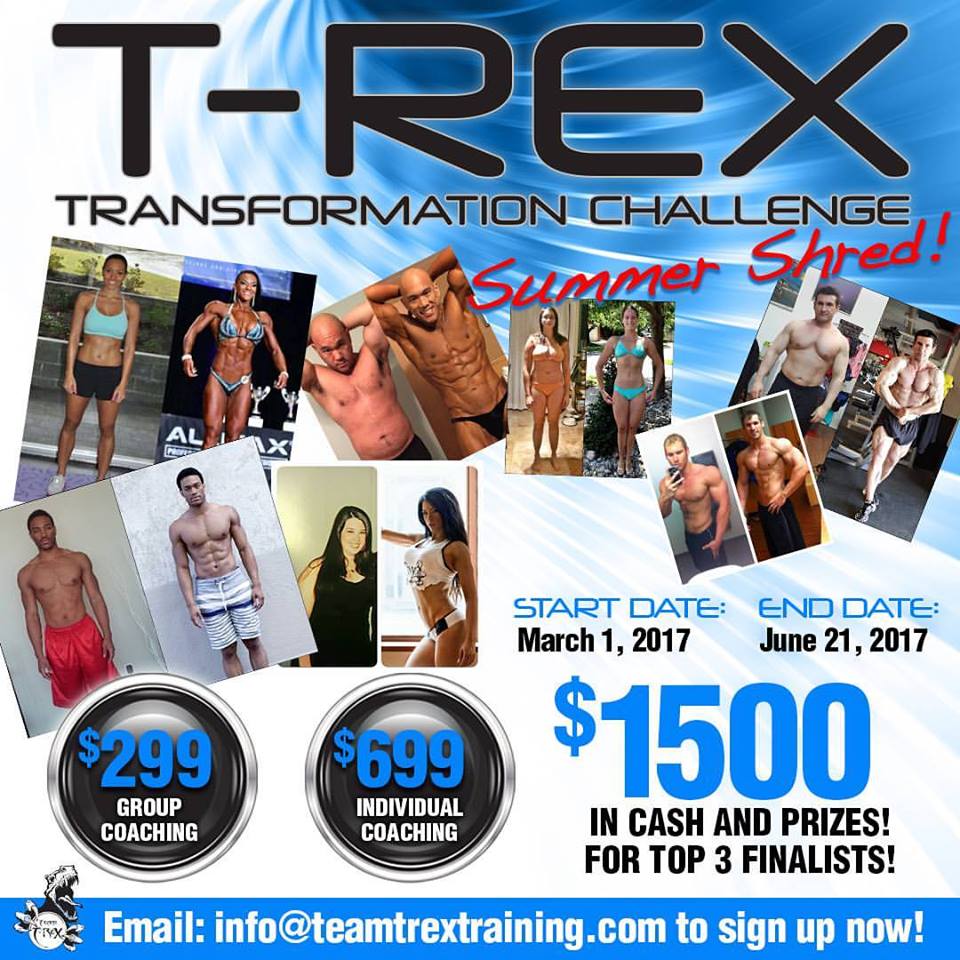
Transformation Contest - Get Amazing Results + Win Some $$$
All costs are in CAD$
Make sure to ask for me as your coach!
You can contact me directly here or email the address on the poster and request me as your coach!